Endoscopic vs open spine surgery

If you are comparing endoscopic spine surgery with open surgery, the central difference is the size of the incision and how much tissue is damaged to reach the injury. The endoscopic technique works through a cut of a few millimeters, while open surgery needs a larger incision and separating muscle to expose the spine.
That difference shapes everything else: the pain you feel afterward, the days you spend in the hospital and how long it takes to get back to normal life. In this guide we explain each technique with data from recent studies, so you arrive at your appointment knowing what to ask and what to expect.
What does each surgical technique involve?
Endoscopic spine surgery uses a camera and a thin instrument that enter through a minimal incision, while open surgery exposes the spine through a wide cut. Both have the same goal: free a compressed nerve or remove a herniation that causes pain.
In the endoscopic approach, the surgeon inserts an endoscope, a thin tube with a light and camera, that shows the area on a screen with high magnification. The instruments to remove the disc fragment or bone pressing on the nerve pass through that same channel. The muscle is separated very little; it is dilated rather than cut.
Traditional open surgery is still a valid tool and sometimes the best one. The surgeon makes a larger incision, moves the spinal muscles aside and works under direct vision. This provides a wide field, useful when several vertebrae are affected, there is instability or screws and fixation need to be placed.
To understand when an operation becomes necessary in general, you can review our guide on when spine surgery is necessary in Tijuana, which explains the warning signs.
Incision size and tissue damage
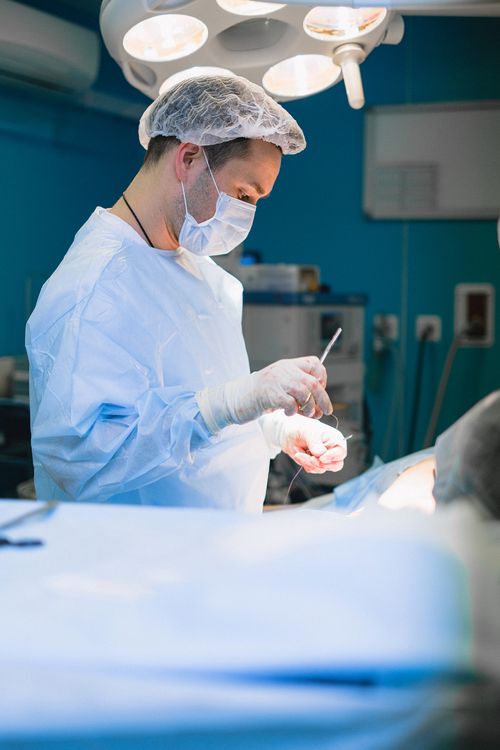
The most visible difference is the size of the cut: endoscopic surgery uses an incision of a few millimeters, compared with the several centimeters that open surgery usually requires. A smaller cut means less muscle separated and less bleeding during the operation.
This is not a cosmetic detail. When the back muscles are preserved, the spine better keeps its natural support and the body has less tissue to repair. A comparative study published in 2024 by the Chulabhorn Hospital Journal reported an average blood loss of 10 mL with endoscopic discectomy compared with 50 mL with open discectomy, a statistically significant difference (Chulabhorn Hospital Journal, 2024).
Less tissue damage also reduces internal and external scarring. The minimal incision leaves a mark of a few millimeters, while open surgery produces a longer scar. Institutions such as Mayo Clinic describe endoscopic spine surgery as an advance within minimally invasive care, with less trauma to surrounding tissue.
Differences in post-operative pain
Pain after the operation tends to be lower with the endoscopic technique, because less muscle is cut and there is less inflammation. Many patients need fewer pain medications in the first days compared with those who have open surgery.
Why does this happen? Post-surgical pain does not come only from the original problem, but also from the access to the spine itself. Every separated muscle and every centimeter of incision adds discomfort during recovery. Reducing that access reduces that source of added pain.
With open surgery, pain around the wound can last longer and limit movement in the first weeks. The open technique is still valid, although its initial recovery is usually more demanding. If your case is a herniation causing sciatica, it is worth understanding your symptoms well before deciding.
Comparing recovery times
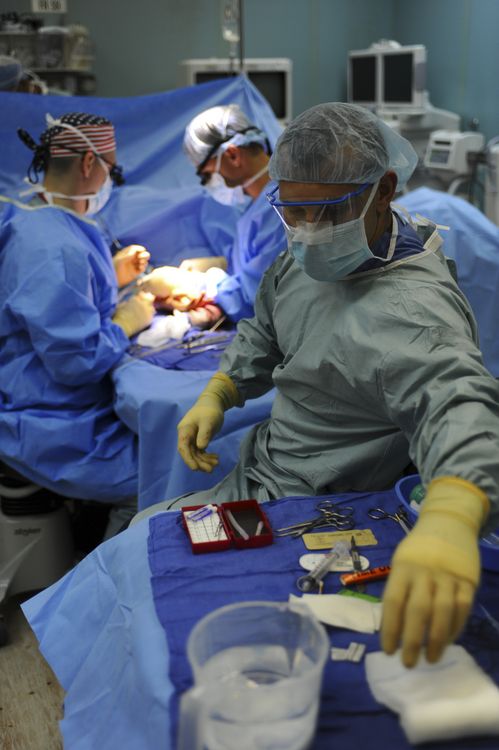
Recovery is usually faster with endoscopic surgery, with short hospital stays and early mobility. In the same 2024 Chulabhorn Hospital Journal study cited above, the hospital stay was 3 days with the endoscopic technique compared with 6 days with open surgery.
The same study recorded that time to walking was 1 day in the endoscopic group versus 2 days in the open surgery group. Getting on your feet sooner helps avoid complications linked to prolonged bed rest, such as blood clots or loss of muscle strength.
A full return to activity depends on many factors: the type of procedure, your age, your general health and how demanding your job is. It can take from weeks to months. Open surgery, because of the greater tissue damage, tends to require a longer initial recovery period before returning to normal effort.
Risks and benefits of each approach
No procedure is risk-free, and both techniques share possible complications such as infection, bleeding or nerve injury. Endoscopic surgery reduces bleeding and tissue trauma, while open surgery offers a wider direct view in complex cases.
The benefits of the endoscopic approach include a minimal incision, less initial pain and a quicker recovery. Its main limit is technical: not every spine problem can be solved through such a small channel. Cases with marked instability, deformity or compression at several levels may be beyond its reach.
In clinical practice, patient selection is the factor that most influences the final result. A good candidate for the endoscopic technique has a clear, well-defined injury that is accessible through the working channel. When the problem is more diffuse, forcing a minimally invasive approach can leave symptoms unresolved and require a second operation.
Open surgery keeps clear advantages. The wide field makes it possible to place fixation, correct deformities and handle situations where the anatomy is very altered. Its disadvantage is greater tissue damage and a heavier initial recovery. In conditions such as lumbar spinal stenosis, the specialist assesses whether a minimally invasive approach is enough or a wider one is required.
How do you know which option is best for you?
The best technique depends on your exact diagnosis. Choosing only the newest option is a mistake: a spine orthopedic surgeon analyzes your imaging studies, your symptoms and your health to define which approach will give you the best result with the lowest risk.
Factors that weigh in the decision: where the injury is, how many levels are affected, whether there is instability and how advanced the problem is. A well-localized herniation is usually a good candidate for endoscopic surgery, while a spine with deformity or several affected levels may need open surgery or fusion.
The surgeon's experience also counts. The endoscopic technique has a demanding learning curve and requires specialized equipment. That is why it is wise to choose carefully who operates on you; our guide to choosing the right orthopedic surgeon in Tijuana helps you ask the right questions.
The next concrete step is to schedule an evaluation with a spine specialist who reviews your MRIs and explains, for your specific case, whether endoscopic or open surgery suits you better. At Hansruiztrauma, Dr. Hans Ruiz sees local and cross-border patients in Tijuana and performs minimally invasive spine surgery. Bring your recent studies to the appointment and ask directly which option lowers your risk and shortens your recovery.
Key takeaways
- Endoscopic spine surgery uses an incision of a few millimeters, while open surgery requires a larger cut and more muscle separation.
- A 2024 comparative study recorded blood loss of 10 mL with the endoscopic technique compared with 50 mL with open disc surgery.
- The hospital stay was 3 days with the endoscopic approach versus 6 days with the open approach in that same study.
- The endoscopic technique usually involves less post-operative pain and a faster return to activity, but not every case is a candidate.
- The best option depends on the diagnosis, the location of the injury and the evaluation of an orthopedic spine specialist.
Frequently asked questions
Does endoscopic spine surgery work for all herniated discs?
No. The endoscopic technique works very well for well-localized lumbar and cervical herniations, but cases with instability, deformity or extensive compression may need an open approach or fusion. The specialist decides based on your imaging studies.
How long does recovery from endoscopic spine surgery take?
Many patients walk the same day and go home within a few days. A full return to activity varies with the procedure, age and general health, and can take from weeks to months.
Does endoscopic spine surgery leave a scar?
It leaves a very small scar, a few millimeters long, because the incision is minimal. Open surgery leaves a longer scar because of the larger cut needed to expose the spine.
Is endoscopic surgery safer than open surgery?
Each technique has its own risk profile. Endoscopic surgery reduces tissue damage and blood loss, while open surgery offers better direct vision in complex cases. Safety depends on the correct diagnosis and the surgeon's experience.