Getting a second opinion before spine surgery

Asking for a second opinion before agreeing to spine surgery can save you from an operation you may not need. A second opinion on spine surgery means another specialist reviews your studies and your case independently, to confirm whether the proposed operation is really the best route or whether more conservative alternatives exist.
The spine is a delicate structure, and poorly indicated surgery is hard to reverse. Before signing a surgical consent form, you have the right to understand why you are being operated on, what happens if you wait and which non-surgical options are still left to try. This guide explains when to seek another evaluation, what to ask and how to request one in Tijuana.
Why is a second opinion on spine surgery important?
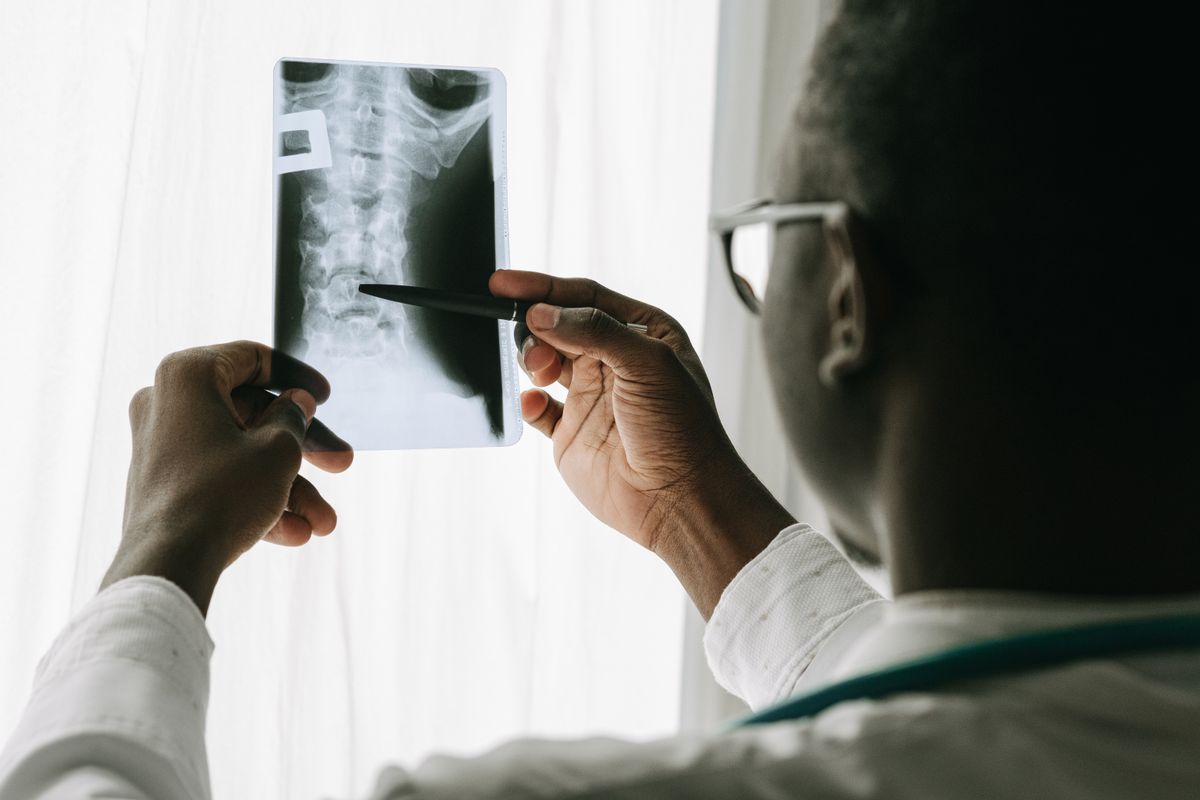
In a study of 183 patients who had already been advised to have spine surgery, 60.7% were told, after a second evaluation, that the surgery was unnecessary (Surgical Neurology International, 2013). That figure shows why an independent review matters so much.
In the same study, 33.3% of patients were told they needed a different procedure from the one proposed, and only in 6% of cases was the original operation confirmed as the right one. The lesson is clear: a surgical recommendation is not always the final word.
A second opinion does not question your first doctor. It brings a fresh look at your images, your medical history and your symptoms. Two specialists can interpret the same MRI differently, and that difference can completely change your treatment.
When should you seek another medical evaluation?
It is wise to seek another evaluation whenever the recommendation to operate comes quickly, without conservative treatment having been exhausted. Most herniated discs and cases of sciatica improve with non-surgical management, so jumping straight to the operating room deserves a second look.
There are concrete signs that justify asking for another opinion:
- You are told you need surgery at the first appointment, without prior physical therapy, medication or injections.
- Your pain does not match what the images show, or the studies do not explain your symptoms well.
- The diagnosis, the goal of the surgery or the risks are not clearly explained to you.
- You are pressured to decide immediately or to operate "before it gets worse."
- The proposed procedure is extensive (a multi-level fusion) and you want to confirm it is necessary.
If your case involves a diagnosis such as spondylolisthesis or lumbar stenosis, understanding the grade and progression well is key before operating. A real emergency, such as progressive loss of strength or of bladder or bowel control, does require immediate attention; outside those cases, there is almost always time for a second evaluation.

What questions should you ask the specialist?
The right questions turn a passive appointment into an informed decision. Arrive with a written list and do not leave until you understand each answer. Your goal is to understand the diagnosis, the alternatives and what happens if you decide to wait.
Useful questions for the second opinion:
- What exactly is my diagnosis and what confirms it in my studies?
- What happens if I do not have surgery now? Will the problem get worse or can it stabilize?
- Which conservative treatments have I not tried yet?
- What type of surgery do you propose, and why that technique and not another?
- How many procedures of this type do you perform and what are your results?
- What would recovery be like and what realistic result can I expect?
Also ask about the minimally invasive approach compared with open surgery. The differences in recovery between endoscopic and open spine surgery can be significant, and not every case requires the most aggressive technique.
How can you avoid unnecessary surgery?
The best defense against unnecessary surgery is to confirm the diagnosis and exhaust conservative options before operating. Many patients with low back pain or sciatica improve with time, physical therapy and pain management, without going to the operating room.
Before agreeing to an operation, review these points:
- Confirm that you have tried enough conservative management: physical therapy, guided exercise, medication and, when applicable, injections.
- Make sure the surgical indication is based on your symptoms and your function, not just on an image showing "wear."
- Be wary of a rushed diagnosis or promises of perfect results.
- Ask for an explanation of why surgery is better, in your case, than continuing non-surgical treatment.
Knowing the most common myths about spine surgery also helps you separate fear from reality. A herniation visible on an MRI is not always the cause of your pain, and operating on something that is not causing it does not solve the problem.
What are the benefits of a confirmed diagnosis?
A diagnosis confirmed by two specialists gives you something no rushed surgery offers: certainty. When two independent doctors agree, you decide with peace of mind; when they disagree, you find out in time that it was worth reviewing.
The concrete benefits are several. You reduce the risk of having surgery for the wrong reason. You avoid the costs and recovery of a surgery you could postpone or replace. And if the operation is necessary, you arrive at the operating room convinced, which improves your attitude and your commitment to rehabilitation.
A solid diagnosis also organizes conservative treatment. Knowing precisely which level of the spine is affected makes it possible to direct physical therapy, injections or pain management to the right spot, instead of treating blindly.
How do you request a second opinion in Tijuana?
Requesting a second opinion on spine surgery in Tijuana is simple: schedule an appointment with an orthopedic surgeon who specializes in the spine and bring all your original studies. With your images and reports, the specialist evaluates your real case and not just a summary.
Prepare this way to make the most of the appointment:
- Gather recent MRIs, X-rays or CT scans, on disc or in digital form, with the radiologist's reports.
- Bring the surgical recommendation and the plan you were offered in writing.
- Write down your history: when the pain started, what makes it better or worse and which treatments you have already tried.
- Write your questions down so you do not forget them during the appointment.
At Hansruiztrauma, Dr. Hans Ruiz offers orthopedic and spine evaluations in Tijuana, caring for local patients and patients from the United States who cross the Baja California border. If you are coming from the other side, the guide on orthopedic surgery in Tijuana for U.S. patients will help you organize the trip and the appointment.
If you already have surgery scheduled and have doubts, do not sign yet. Schedule a second evaluation, bring your studies and ask the questions in this guide. Deciding with complete information is the most important step you can take for your spine.
Key takeaways
- A second opinion on spine surgery gives you independent information before agreeing to an irreversible operation.
- In a study of 183 patients, 60.7% were told that the recommended surgery was unnecessary (Surgical Neurology International, 2013).
- Seek another evaluation when surgery is recommended without having tried conservative treatment or when the studies do not explain your pain.
- Bring your original MRIs, X-rays and reports so the second specialist evaluates your real case, not just a summary.
- In Tijuana you can schedule a second orthopedic opinion with Hansruiztrauma by bringing your recent spine studies.
Frequently asked questions
How much does a second opinion on spine surgery cost in Tijuana?
The cost is the same as a specialized orthopedic consultation, far less than surgery. Ask for the consultation price directly at the office; it includes the review of your imaging studies.
Will asking for a second opinion offend my first doctor?
No. Seeking another evaluation is a common and accepted medical practice. An ethical specialist understands that it is about your health and an important decision, not a personal lack of trust.
Which studies should I bring to the second opinion?
Bring your MRIs, X-rays or CT scans on disc or in digital form, the radiologist's reports and any written surgical recommendation. With your original images, the specialist evaluates your real case.
Does a second opinion always rule out surgery?
Not always. Sometimes it confirms that the operation is the best option, and that gives you peace of mind. Other times it proposes conservative treatment or a different technique. The goal is to decide with complete information.